Maintenance Guide
Reading Time: 5 min
When to Replace Strings and Bow Hair
The tonal quality and playability of a bowed string instrument depend heavily on the condition of its consumables: the strings and the bow hair. Many musicians only consider a replacement when they notice the sound has become dull, but in reality, invisible degradation or adverse effects on the instrument itself may have already begun. In this article, we explain the indicators for the optimal replacement timing from a professional perspective, taking into account the specific climatic characteristics of Fukuoka.
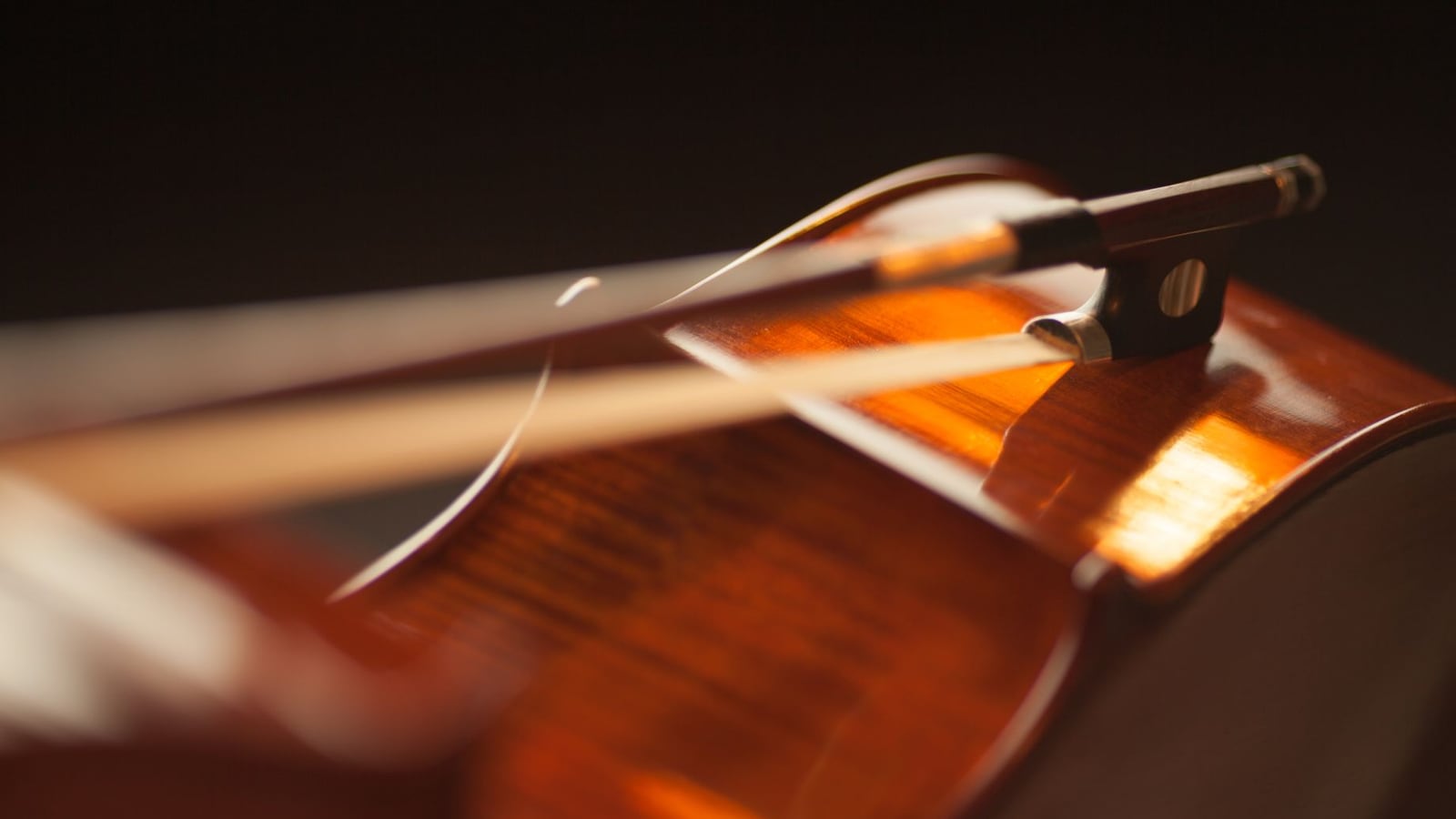
Identifying Signs of String Fatigue
Strings degrade not only through physical abrasion but also through metal fatigue accumulating in the core wire and the penetration of grime into the windings. The most prominent sign is the loss of brilliance in the tone. When the harmonic overtones present in new strings diminish and the sound begins to feel flat or muffled, it is time for a replacement.
Furthermore, a decrease in tuning stability is a critical indicator. If the instrument slips out of pitch shortly after being tuned, or if one specific string remains unstable, the elasticity of the material has been compromised. We strongly recommend immediate replacement if the windings where the string contacts the fingerboard show wear or if you feel a rough texture under your fingers.
Bow Hair Degradation and Its Impact on Performance
Bow hair is a natural material made from horse tail hair. With use, the surface cuticles wear down, reducing the hair's ability to hold rosin. If you feel the bow is no longer gripping the string, or if you find yourself applying excessive pressure to produce a sound, the hair has reached the end of its lifespan.
Additionally, as the density of the hair decreases and individual strands break, achieving a uniform bowing motion becomes difficult. If the hair appears whitish or discolored, or if the tension weakens to the point where the screw cannot provide sufficient tautness even when fully turned, a complete re-hair is necessary.
Environmental Factors in Chuo-ku, Fukuoka
In urban areas including Chuo-ku, Fukuoka, drastic seasonal humidity fluctuations directly affect strings and bow hair. The high temperature and humidity of the rainy season (Tsuyu) accelerate the oxidation of strings and cause bow hair to absorb moisture, leading to unstable tension.
Conversely, the dry indoor environments typical of Fukuoka winters make bow hair brittle and increase the risk of sudden breakage. In commercial districts like the Tenjin area where our workshop is located, musicians often perform in climate-controlled spaces; however, the condensation caused by the temperature difference between indoors and outdoors can significantly shorten the life of your strings. Localized care is essential for maintaining instrument health.
Replacement Timing Checklist
| Check Item | Strings | Bow Hair |
|---|---|---|
| Tonal Change | Loss of harmonics, muffled sound | Scratchy tone, lack of core |
| Physical State | Worn or darkened windings | Broken strands, decreased density |
| Feel/Response | Unstable tuning | Reduced grip on strings |
| Recommended Interval | 3–6 months (depending on use) | 6 months to 1 year |
Risks of Delayed Maintenance
Continuing to use degraded strings can lead to improper tension, placing excessive load on the bridge. This may cause the bridge to warp or, in worst-case scenarios, lead to structural damage to the top plate of the instrument. Moreover, because old strings vibrate inefficiently, players often subconsciously press the bow harder, creating a vicious cycle that shortens the lifespan of the bow itself.
The same applies to bow hair. Attempting to play with worn hair forces the player to apply undue pressure to the bow stick, which can negatively impact the camber (curve) of the bow. Timely replacement of consumables is a practical investment to maintain the long-term value of your instrument.
The Importance of Professional Setup
Replacing strings is not just about swapping parts; it is an opportunity to optimize the entire instrument. During a string change, a luthier can adjust the bridge height and inspect the soundpost to ensure the instrument's balance is correct. Specifically, bow re-hairing requires precise tension settings that directly affect playability, making the skill of a technician indispensable.
At our workshop, we provide precise adjustments and string selection tailored to the musician's preferred tone and playing style.
Summary and Next Steps
Replacing strings and bow hair is more than a routine chore; it is a health check for your instrument. By noticing slight changes in tone and refreshing these components at the right time, you ensure that you are facing your music in a professional condition.
If you have concerns about your current sound or cannot remember the last time your instrument was serviced, we invite you to bring it to our workshop for a professional evaluation.
For comprehensive string instrument inspections, visit our Bowed String Maintenance page.
To learn more about seasonal environmental impacts, read our Seasonal Guitar Care Guide.
For consultations or appointments, please use our Contact Page.