Seasonal Guitar Care Guide
In urban areas like Chuo-ku, Fukuoka, instruments face extreme fluctuations in humidity throughout the year. The transition periods—from summer to autumn and winter to spring—are particularly stressful for the wood. Since a guitar is a living entity made of organic materials, sudden environmental shifts can lead to permanent structural damage. In this guide, we share professional insights on how to maintain your instrument's longevity and tonal quality.
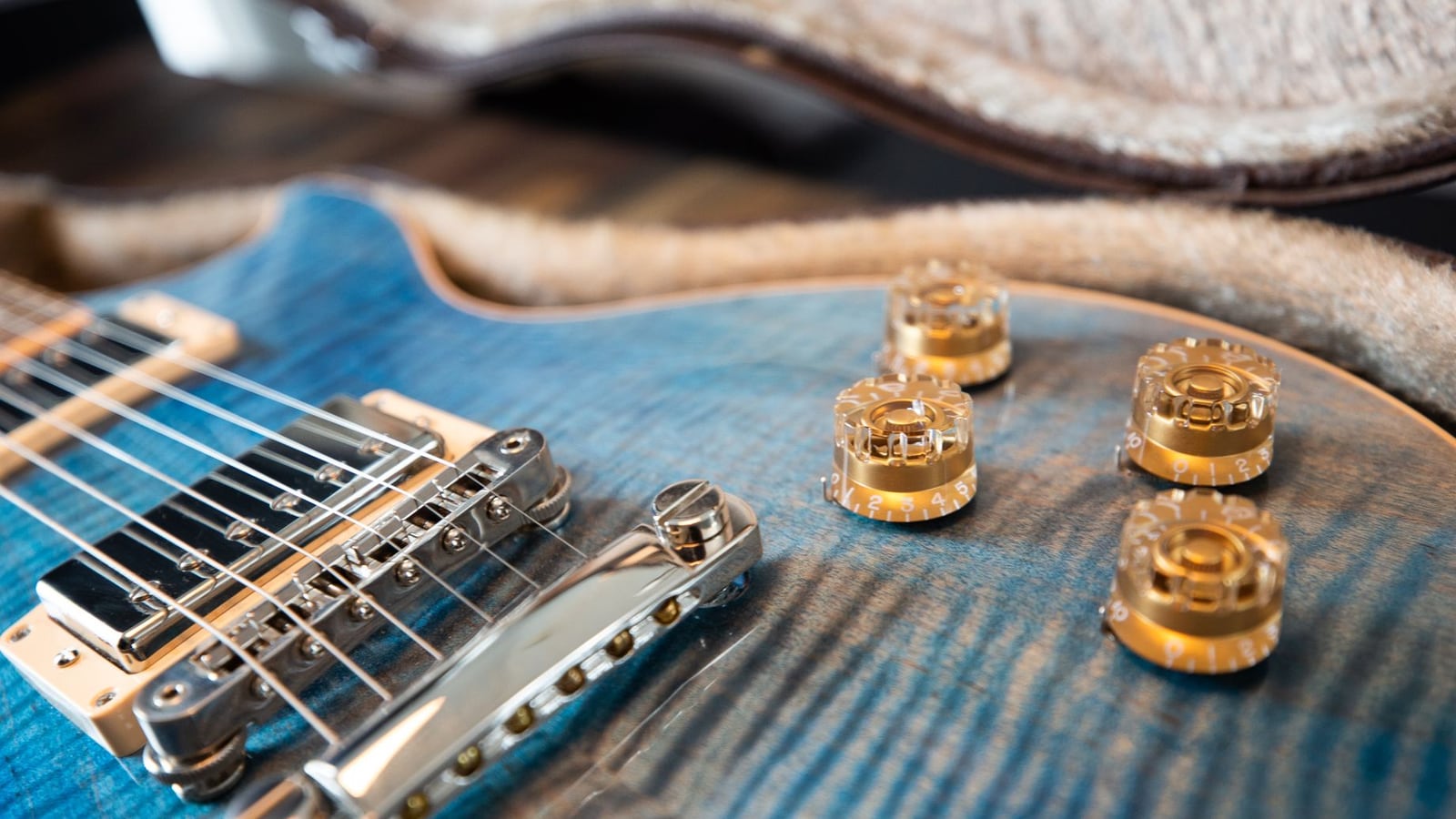
Why Seasonal Transitions Are Risky
The tonewoods used in guitar construction, such as spruce and rosewood, are hygroscopic—meaning they absorb and release moisture based on the surrounding air. When humidity rises, the wood expands; when it drops, the wood contracts. While slow changes are generally manageable, the drastic seasonal swings in Japan—specifically the oppressive humidity of the rainy season and the extreme dryness caused by winter heating—put immense stress on the instrument.
In the commercial heart of Chuo-ku, Fukuoka, the contrast between outdoor weather and indoor climate-controlled environments is often severe. This "humidity shock" is the primary cause of top-plate cracks and neck warping, as the wood cannot adapt quickly enough to the artificial environment.
Ideal Humidity Standards for Instruments
For acoustic and classical guitars, the gold standard for relative humidity (RH) is between 45% and 55%. At the Ketiminetrail workshop, we strictly adhere to this range, maintaining a precise climate-controlled environment of 45-55% to ensure every instrument under our care remains stable.
When humidity drops below 40%, the wood shrinks excessively, significantly increasing the risk of structural cracks in the body. Conversely, when humidity exceeds 60%, the neck tends to bow forward, raising the action (string height) and making the instrument physically harder to play.
Seasonal Care Action Plan
| Season | Primary Risk | Prevention | Recommended Action |
|---|---|---|---|
| Spring (Mar-May) | Recovery from dry winter | Gradual humidifier reduction | Check neck relief/bow |
| Summer (Jun-Aug) | Expansion due to high RH | Dehumidifiers / Silica gels | Verify string height |
| Autumn (Sep-Nov) | Onset of sudden dryness | Strict hard-case storage | Prepare humidification tools |
| Winter (Dec-Feb) | Extreme low humidity | Active humidification | Professional Luthier check |
The Role of Hard Cases and Hygrometers
While displaying a guitar on a stand is aesthetically pleasing, it exposes the wood to immediate environmental shifts. During seasonal transitions, we strongly advise storing your instrument in a hard case. The case acts as a buffer zone, slowing down the rate of humidity change and protecting the wood from direct drafts.
Furthermore, relying on "feel" to judge humidity is a mistake. We recommend placing a digital hygrometer inside your case. By monitoring the actual percentage, you can make evidence-based decisions about when to add a humidifier pack or activate a dehumidifier, rather than guessing.
Recognizing Warning Signs
If you notice any of the following symptoms, your instrument is sending an SOS. You should consult a technician immediately to prevent costly repairs:
- The action feels higher than usual, making fretting difficult (Neck Bow).
- Unexplained buzzing on open strings that wasn't there before (Back-bow).
- Fine, hairline cracks appearing on the soundboard or sides (Dryness cracks).
- Extreme instability in tuning, even with new strings.
Ignoring these signs can lead to structural failure or a permanent loss of tonal richness. We recommend a professional guitar setup and adjustment to correct these issues before they escalate.
Benefits of Professional Periodic Maintenance
Beyond home care, having a professional check-up every six months—or during the peak of seasonal shifts—is an investment in your instrument's life. A luthier can detect millimeter-scale changes in action, identify bridge lifting, or spot internal structural stress that is invisible to the untrained eye.
Our technicians in Fukuoka understand the local climate's specific challenges. We tailor each adjustment to your playing style while ensuring the wood is under minimal stress. A properly adjusted instrument is not only easier to play but is structurally more resilient, extending its lifespan for decades.
Summary Checklist
Is my hygrometer consistently showing 45-55% RH?
Is the guitar in a case rather than a stand during transitions?
Is the instrument away from direct air conditioning vents?
Has a professional inspected the instrument in the last 6 months?
When to Replace Strings and Bow Hair
Learn about the optimal replacement cycles for consumables across various string instruments.
If you are concerned about your instrument's condition or wish to achieve the perfect setup for the current season, please reach out to us.
Contact & Consultation