How to Transport Musical Instruments Safely
Musical instruments are delicate structures where even a slight impact or a sudden change in environment during transit can seriously affect the tone and structural integrity. Especially in urban areas like Chuo-ku, Fukuoka, where the use of public transport and seasonal humidity fluctuations are constant, specific precautions are essential. This guide provides professional techniques and critical warnings to ensure your instrument arrives safely at its destination.
The Primary Risks: Physical Impact and Environmental Shifts
When moving an instrument, the two greatest threats are physical shock and rapid temperature or humidity swings. Many owners assume that simply placing an instrument in a case is sufficient. However, if there is excessive "play" or gaps inside the case, vibrations during transit can transfer directly to the instrument, leading to loosened joints or structural cracks.
Furthermore, the Japanese climate—particularly in coastal cities like Fukuoka—is characterized by high humidity in summer and extreme dryness in winter. Moving from a climate-controlled indoor environment to the outdoors can cause immediate condensation, which risks expanding the wood or corroding metal components.
Precautions for Wind Instrument Transport
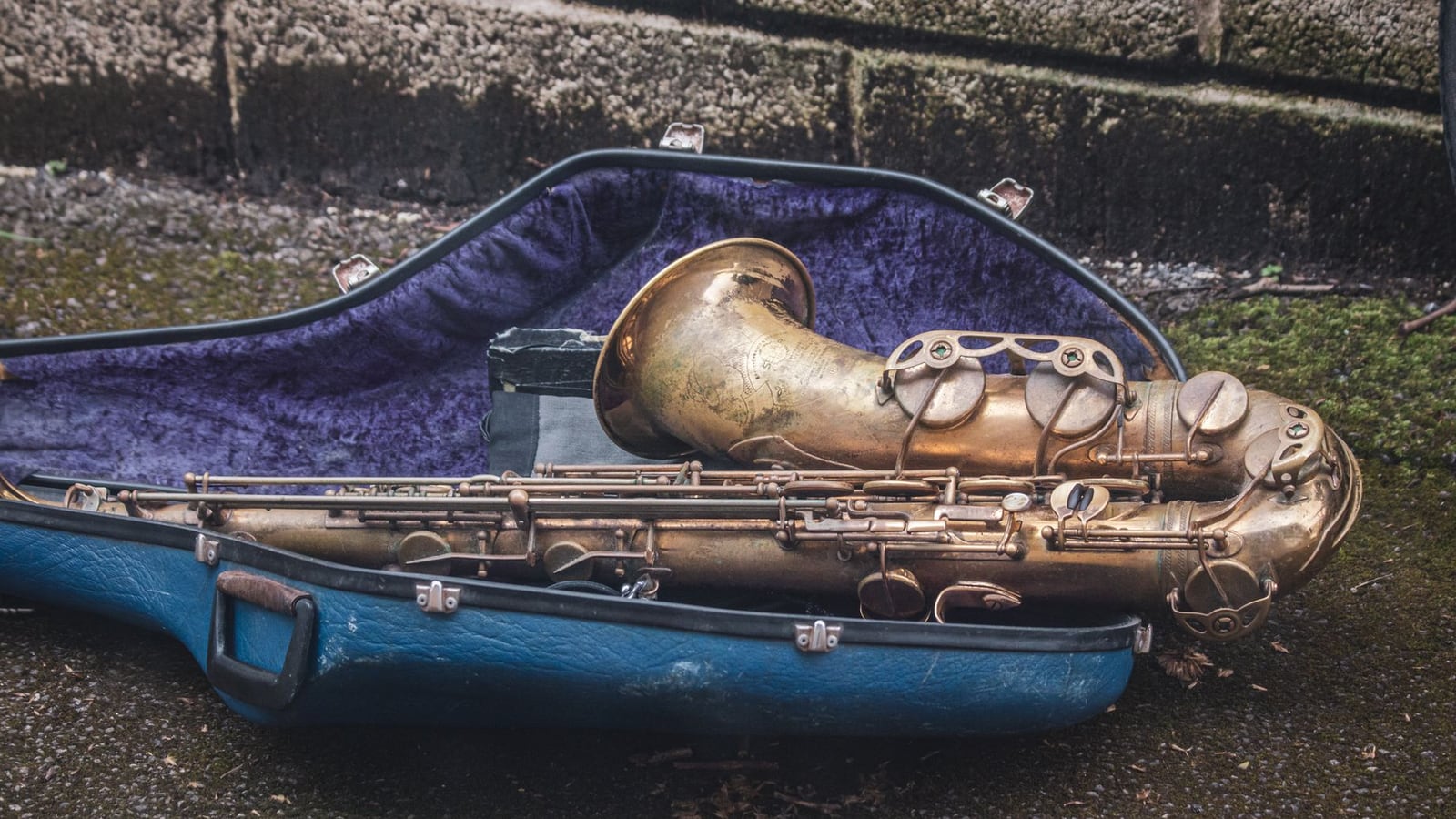
Wind instruments, especially woodwinds and brass, consist of complex key mechanisms and thin metal tubing. During transport, always verify that the instrument is securely locked within its case. For saxophones and flutes, the keywork is particularly vulnerable; even slight pressure from an improperly fitted case can bend a key.
We recommend waiting a short period before opening the case upon arrival to allow the instrument to acclimate to the ambient temperature. This prevents rapid metal contraction and condensation. For those requiring professional maintenance, consider our Wind Instrument Care service to ensure your keys and pads are in optimal condition.
String Instrument Transport and Humidity Control
String instruments, such as violins and guitars, are extremely sensitive to moisture. While a hard case is the standard for transport, adding humidity control packs (such as Boveda) inside the case can mitigate sudden shifts during travel.
In areas like the Tenjin district of Chuo-ku, where building winds and strong subway air conditioning are common, be mindful of when you open your case. Entering a warm room from a dry winter exterior and opening the case immediately can cause the instrument to lose internal moisture too rapidly.
| Check Item | Verification Detail | Priority |
|---|---|---|
| Case Stability | Is the instrument securely fixed to prevent movement inside the case? | High |
| Humidity Agent | Are the humidity control packs still active and not expired? | Medium |
| Temperature Adaptation | Did you wait ~15 minutes before opening the case after transit? | High |
| Accessories | Are the bow, reeds, and mouthpiece stored in their designated slots? | Medium |
Tips for Using Public Transportation
When using the Fukuoka City Subway Kuko Line or Nishitetsu buses, exercise maximum caution regarding contact during rush hour. When placing an instrument case at your feet, be consciously aware of other passengers' feet and the operation of sliding doors to avoid crushing or trapping the case.
Additionally, the powerful air conditioning on trains can be stressful for an instrument. Whenever possible, stand away from direct vents or use a protective cover over your case to create an extra thermal barrier.
Car Transport: Critical Prohibitions
When transporting by car, there are two absolute prohibitions: leaving the instrument in a parked car during summer and placing it loosely on the back seat. In direct sunlight, internal case temperatures can exceed 60°C, which can melt adhesives and crack the lacquer finish.
Always secure the instrument on the back seat using a seatbelt or place it in the passenger seat, ensuring the AC vents are not blowing directly onto the case. To prevent the instrument from tipping over during sudden braking, we strongly recommend using straps or dedicated mounts.
Post-Transport Self-Check Method
Once you arrive at your destination and remove the instrument, check the following points:
- Visual Inspection: Check the case for impact marks and the instrument for new scratches or dents.
- Mechanical Check: Ensure keys, pegs, and the bridge have not shifted and that all parts operate smoothly.
- Tuning Check: Verify if the pitch has shifted significantly due to temperature changes.
If you notice any irregularities after transport, do not attempt to force a repair yourself. Consult a professional technician. You may reach out to us via our contact form to discuss the current state of your instrument.
Summary: Making Protection a Habit
Correct transport methods are not just about moving from point A to B; they are a vital part of long-term maintenance that extends the life of your instrument. Small daily considerations determine the quality of the sound decades from now.
Reducing transport risks also requires keeping the instrument in optimal condition beforehand. For more information on managing your instrument during seasonal changes, please read our guide on Seasonal Guitar Care.